

Corneal cross-linking for keratoconus
Request a consultationKeratoconus is a condition in which the cornea gradually thins and changes shape. As a result the image can become distorted, astigmatism can increase, and your usual glasses may no longer correct enough. Cross-linking aims to strengthen the cornea and slow the progression of the disease. The procedure uses riboflavin and controlled ultraviolet irradiation; the center uses a Lightmed UVX system. Indications and protocol are decided after the shape and thickness of the cornea have been studied.
When it's recommended
- Keratoconus is diagnosed and there are signs of progression.
- The shape or thickness of the cornea changes between successive examinations.
- Astigmatism is growing or vision is getting worse and the doctor links this to keratoconus.
- The ophthalmologist considers strengthening the cornea appropriate given the risk of further progression.
Treatment stages
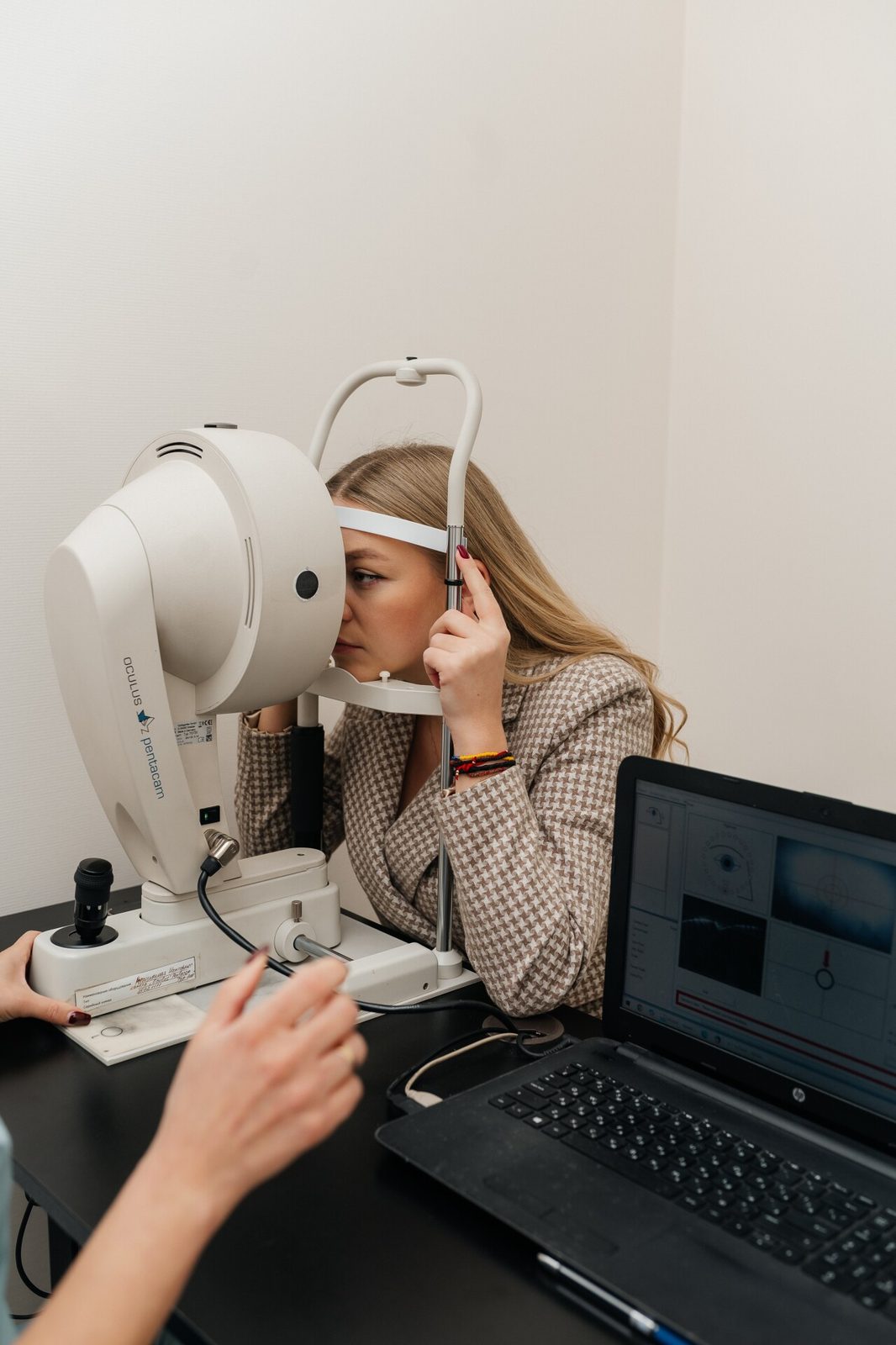
Corneal examination
Assessment of visual acuity, corneal topography and thickness, compared with earlier results. Further tests if needed.
Choice of protocol
The doctor decides whether the procedure is possible, explains its aim and the expected recovery, and agrees the plan.
Cross-linking
Under local anesthesia the cornea is saturated with riboflavin and exposed to controlled UV light according to the chosen protocol.
Healing and follow-up
Prescribed drops, a protective contact lens if needed, monitoring of the cornea and later assessment of its stability.
Benefits
Effect on progression
The procedure aims to increase the biomechanical stability of the cornea. Its main goal is to stabilize the condition.
Outpatient treatment
Cross-linking is done without a long hospital stay. After the procedure you need the prescribed treatment and follow-up exams.
Combined with optical correction
After healing the doctor can fit glasses, rigid or scleral lenses to improve the quality of vision.
Timeline
The length of the procedure depends on the protocol. In the first days light sensitivity, tearing, discomfort and blurred vision are possible. Healing and later changes in the cornea need follow-up; the doctor sets when you can return to work, sport and wearing lenses.
What's included in the price
Corneal cross-linking: 12,500–15,000 UAH per eye, depending on complexity. Treatment covers the procedure under the chosen protocol and post-procedure recommendations. Whether diagnostics, riboflavin, consumables, a protective lens, medicines and follow-up visits are included is confirmed in the estimate before booking. If initial diagnostics (1,500 UAH) is needed separately, the estimated total is 14,000–16,500 UAH. Cross-linking is not laser correction of myopia and does not guarantee you can stop wearing glasses or lenses: even after keratoconus stabilizes, separate optical correction may be needed.
Dr. Concierge is not a medical facility, does not provide medical services and does not guarantee treatment outcomes. All medical decisions are made solely by the partner clinic.
Pricing
The patient chooses the treatment option based on budget and expected outcome. Every option's price includes the full protocol, from diagnostics to follow-up checkups.
Prices updated: 2026-10-05
Reference rate of the National Bank of Ukraine as of 06.10.2026. The final amount and settlement terms are confirmed in your request.
Corneal cross-linking, one eye
from 12,500 UAH
Approximate cost. The final price is determined by the clinic after examination.
Request a consultationWhat's included
- ✓ 12,500–15,000 UAH depending on complexity
- ✓ The procedure under the chosen protocol and post-procedure recommendations
Additional services
What cross-linking should change and how results are judged
The aim is to make the cornea more resistant to further deformation. The need for treatment is judged from the whole picture: corneal shape and thickness, changes between exams, age and the clinical picture; a single complaint of blurry vision is not enough to choose a method. Comparing successive measurements matters, so keep earlier corneal maps and reports. The doctor looks at more than visual acuity, at how the shape of the cornea changes, and a conclusion about stabilization needs observation over time. After stabilization, glasses or special contact lenses deal with image clarity; they are fitted separately once the cornea allows it.
Preparation and recovery
Before the procedure, check the rules for wearing contact lenses. After treatment, follow the drop schedule and the check-up timetable. If a protective lens is fitted, the doctor decides when to remove or replace it. Do not change the prescription on your own because of temporary blurred vision.
Common questions
- Can I stop wearing glasses at the same time?
- That is not the main aim of cross-linking. The need for further correction is decided after the results and healing are assessed.
- How should I plan the budget?
- The procedure on one eye costs 12,500–15,000 UAH. If initial diagnostics at 1,500 UAH is needed separately, the estimated total is 14,000–16,500 UAH. Special tests and other prescriptions are confirmed before treatment.
Also see: Comprehensive vision diagnostics, Also see: Vision Passport: comprehensive Check-Up, Also see: Laser vision correction, Also see: Cataract microsurgery, Also see: Orthokeratology: Paragon / MoonLens, Also see: Laser coagulation and laser eye treatment
Request a consultation
Tell us what you're looking for and we'll get in touch with you.
You're inquiring about: Corneal cross-linking for keratoconus (Tarus Ophthalmology Center)
The clinic is responsible for providing medical services; Dr. Concierge is responsible for organizing the trip. Who is responsible for what